
In the design of railway, industrial control, and communication equipment, the selection of a 15W-class isolated power module often determines the overall system reliability. Faced with multiple requirements such as wide input voltage range, high isolation withstand voltage, and environmental adaptability, you need a reusable decision-making framework. This article takesTHN 15-2411WIRas an example, guiding you from parameter interpretation to practical implementation points, helping you quickly identify the optimal solution.
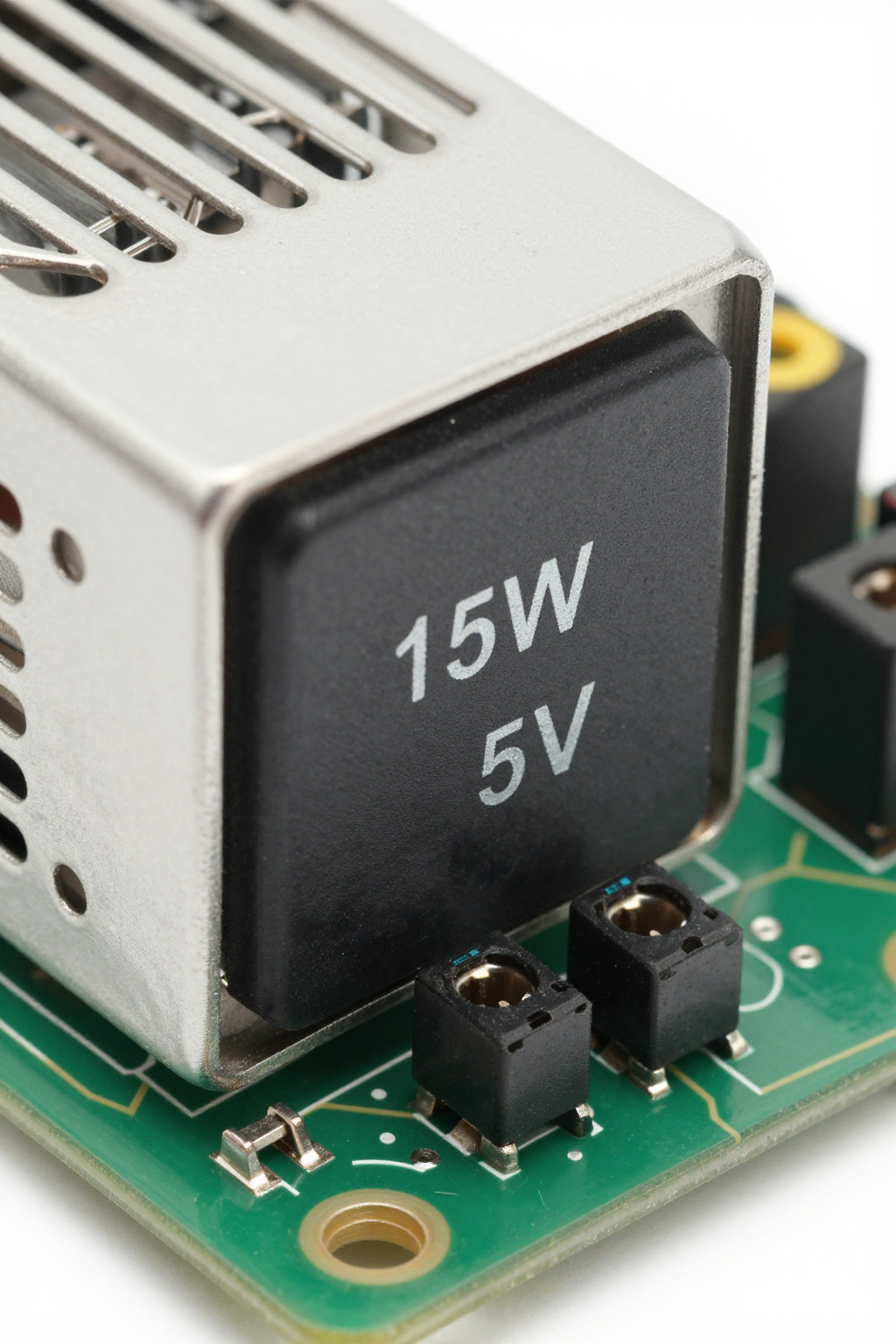
Why selecting a 15W DC/DC converter is a critical step in system design
The logic behind matching power levels with typical application scenarios
The 15W power range covers typical loads such as sensor power supply, communication interface isolation, and relay driving. It is recommended to reserve a derating margin of 20%-30% to avoid excessive temperature rise caused by long-term full-load operation. In railway and industrial applications, this power level strikes an ideal balance between size and load capacity.
Common costs of selection errors and strategies for avoidance
Mismatched input ranges may cause startup failure or overvoltage damage; insufficient isolation withstand voltage poses system-level safety risks; neglecting thermal design will accelerate lifespan degradation. When selecting components, be sure to verify three critical parameters: input transients, isolation rating, and derating curves.
Detailed Analysis of Core Parameters for THN 15-2411WIR
| Parameter Item | Specification Value | Engineering Significance |
|---|---|---|
| Input Voltage Range | 9–36 VDC | A wide 4:1 voltage ratio, compatible with railway batteries and industrial bus fluctuations |
| Output Voltage/Current | 5 VDC / 3 A | Standard logic-level power supply, meeting the requirements of most MCUs and peripherals |
| Conversion Efficiency | ~90% | Low losses reduce thermal design pressure and improve overall energy efficiency |
| Isolation Voltage | 3000 VDC | Meets basic insulation requirements, ensuring electrical safety between stages |
| Operating Temperature | -40°C ~ +85°C | Adaptable to harsh industrial environments, without requiring additional forced air cooling (depending on load) |
Input Characteristics: The Practical Significance of a 9–36V Ultra-Wide Input Range and a 4:1 Input Ratio
The 4:1 ultra-wide input range enables this module to adapt to the significant voltage fluctuations found in railway batteries and industrial busbars. Undervoltage and overvoltage protection thresholds define the system's safety boundaries, while inrush current and surge characteristics directly influence the design of upstream circuits.
Output Characteristics: Performance Analysis of 5V/3A at 90% Efficiency
The 5V/3A output demonstrates solid performance in load regulation and ripple, with 90% conversion efficiency significantly reducing thermal design challenges. Short-circuit, overload, and overvoltage protection mechanisms provide multiple layers of safeguarding for downstream loads.
Isolation and Safety Compliance: The Regulatory Value of 3000V Isolation Voltage
A 3000VDC isolation voltage meets basic safety requirements in railway and medical applications. Insulation resistance and isolation capacitance affect signal integrity; when selecting components, it is essential to verify relevant certification systems and key inspection points.
Key Summary
- Selecting a 15W DC/DC converter requires considering four key factors: input range, output power, isolation withstand voltage, and thermal design.
- THN 15-2411WIRWith an ultra-wide 9–36V input range, a 5V/3A output, and 3000V isolation voltage, it is suitable for railway and industrial applications.
- It is recommended to reserve a 20%–30% power derating margin and verify the derating curve against the operating temperature range.
- Parameter analysis should be combined with practical layout considerations, focusing on filtering, protection, and PCB thermal management design.
Frequently Asked Questions
THN 15-2411WIRCan its input voltage range accommodate fluctuations in railway batteries?
Its ultra-wide 9–36V input range, spanning a 4:1 ratio, can cover the typical voltage fluctuations found in railway batteries. Combined with undervoltage and overvoltage protection thresholds, it effectively handles startup and transient surges, making it suitable for railway and industrial busbar applications.
How do you determine derating margins when selecting a 15W DC/DC converter?
It is recommended to reserve a margin of 20%–30% based on the actual load, and evaluate this alongside operating temperature and derating curves. If the converter operates close to full load for extended periods, consider enhancing heat dissipation or choosing a higher power rating to prevent excessive temperature rise and reduced lifespan.
THN 15-2411WIRWhat applications are suitable for its 3000V isolation voltage?
A 3000VDC isolation voltage is ideal for scenarios requiring safety isolation, such as railways, industrial control systems, and medical equipment. When selecting, also verify insulation resistance, isolation capacitance, and relevant safety certification standards to ensure system compliance.
Why does improper selection lead to reduced system reliability?
Mismatched input ranges may cause startup failure or overvoltage damage; insufficient isolation withstand voltage poses system-level safety risks; and neglecting thermal design will accelerate device degradation. Be sure to verify the three critical parameters: input transients, isolation rating, and derating curves.